First big snow of the year, and now your lower back and shoulders let you know about it?
Here's what I tell my students, after 20+ years of teaching tennis.
Buy 1 tube, get 2 free: $28 for 3
Code INSTA3 applies automatically with that button. One per customer, ends Nov 30.
Why one morning of shoveling feels like a workout
When the courts are covered in snow, my players don't stop moving, they just start shoveling. And every winter the first snowfall brings the same Monday-morning conversation at the indoor club: "I was fine during it, but I woke up and could barely stand up straight."
It makes sense. Wet snow weighs a lot. A full shovel can easily be 15 to 20 pounds, held out in front of you, and you lift it a few hundred times in an hour. Most people do it bent at the waist, twisting to throw the snow over one shoulder, in the cold, first thing in the morning, without warming up. If a student hit 300 serves like that, I'd expect them to be sore too.
Where it usually hurts
-
Lower back. From bending at the waist instead of the knees, and from twisting while you throw.
-
Shoulders and upper back. From holding the load far from your body.
-
Forearms and hands. From gripping the handle hard for an hour. Tennis players know this feeling.
-
Thighs and glutes. If you did lift with your legs, this is where you'll feel it. That's the good kind of sore.
Seven things that actually help
1. Warm up for five minutes first
I'd never let a student walk on court and start serving cold. Before you go out, march in place, do some arm circles, a few slow squats and some gentle side bends. Cold, stiff muscles are the ones that complain the next day.
2. Push, don't lift, whenever you can
A wide pusher shovel lets you move snow to the edge of the driveway without lifting it at all. Lift only what you have to, and push the rest.
3. Smaller scoops
Fill the shovel halfway, especially with wet, heavy snow. More trips with lighter loads is much easier on your back than fewer trips with heavy ones.
4. Bend your knees and keep the load close
Squat down, keep your back fairly straight, slide one hand down the handle close to the blade, and lift with your legs. The closer the snow is to your body, the less your lower back has to work. It's the same reason I tell players to get low for a low ball instead of reaching for it.
5. Turn your feet, not your back
Don't throw snow over your shoulder while your feet stay planted. Step and turn your whole body toward where the snow is going, then dump it. In tennis we turn the shoulders and hips together, and the same rule protects your back here.
6. Go early and often in a big storm
Two or three short sessions while it's falling are easier than one long session at the end with a foot of packed snow. Take a break every 15 minutes or so.
7. Dress in layers and wear good boots
Warm muscles move better, and a slip on ice is worse than any sore back. Wear boots with good grip and spread some salt or sand before you start.
When you come back inside
- Get out of the wet clothes and take a warm shower.
- Do some easy stretches: a gentle knees-to-chest stretch lying on your back, a doorway stretch for your chest and shoulders, and wrist and forearm stretches.
- Don't sit slumped on the couch for hours. Get up and walk around every so often.
- Rub a pain relief cream into your lower back, shoulders or forearms where they ache.
Shoveling is hard work for your heart as well as your back. If you have a heart condition or you aren't active, talk to your doctor before you shovel, or get help. Stop right away and get medical help if you feel chest pain or pressure, or you get unusually short of breath. If back pain shoots down a leg, comes with numbness, or is still there after a week, see a doctor.
About Active 10
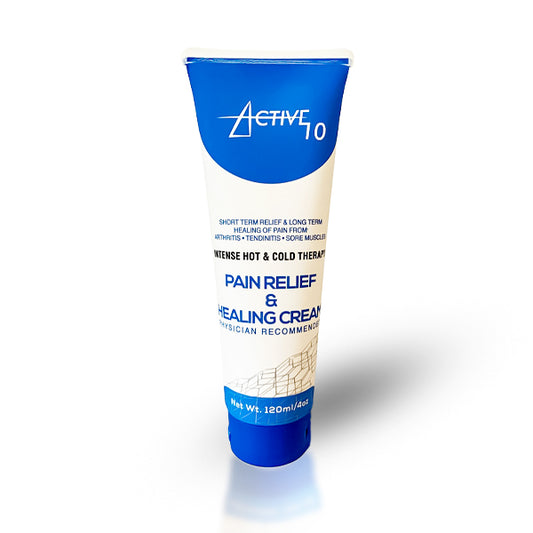
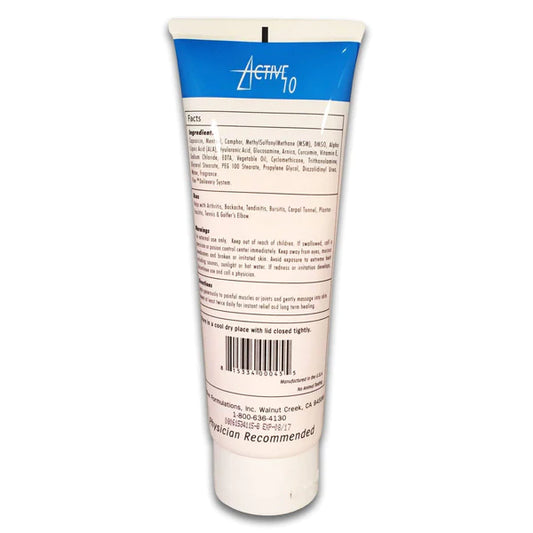
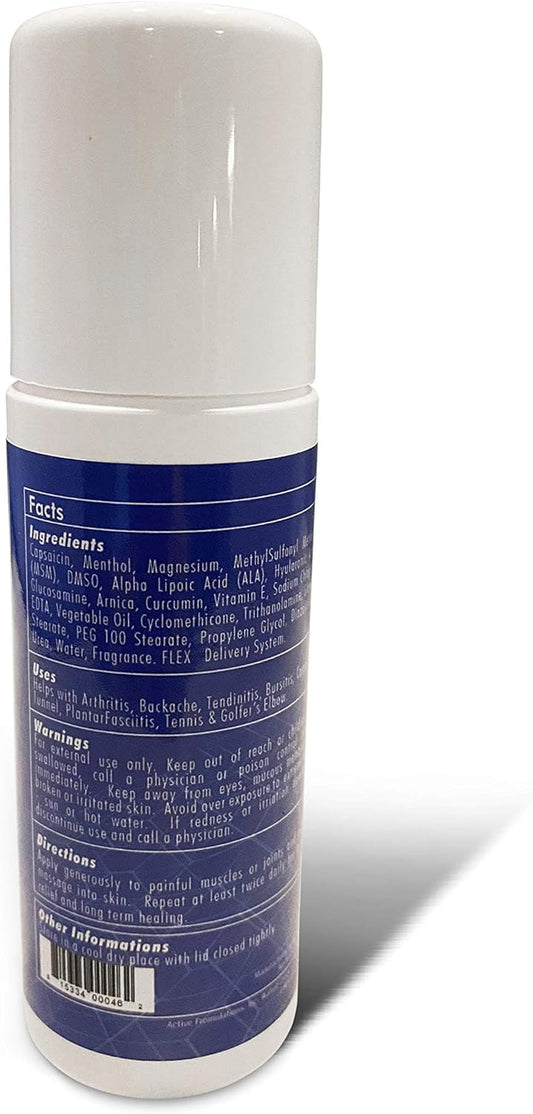
I made Active 10 for sore muscles after a day on the court, and plenty of my players keep a tube by the back door all winter. It's for the temporary relief of minor aches and pains of muscles and joints associated with simple backache, arthritis, strains, bruises and sprains. The active ingredients are menthol, capsaicin and magnesium. It goes on cool, then warms, and it rubs in clean with no greasy feel.
-
4 oz tube: the one most people start with.
-
3 oz roll-on: easy to reach your own lower back, with no cream on your hands.
-
8 oz pump: the best value if more than one person in the house is shoveling.
FAQ
Before or after shoveling? Most people use it after, once they're warm and dry. Follow the Drug Facts directions on the label, and wash your hands after applying.
Can I use it with a heating pad? No. Don't use it with a heating pad, and don't bandage tightly over it.
Is it greasy? No. It absorbs quickly, so you can put your shirt back on right away.
Does shipping cost extra? Orders of $30 or more ship free in the US.
Get 3 tubes for $28 (code INSTA3)
More tips
Warnings: For external use only. Do not use on wounds or damaged or irritated skin, do not bandage tightly, and do not use with a heating pad. Avoid contact with the eyes. Stop use and ask a doctor if the condition worsens or symptoms last more than 7 days. Keep out of reach of children. This page is general information, not medical advice.