First ski day of the season, and now your thighs, knees and lower back won't let you forget it?
Here's what I tell my students, after 20+ years of teaching tennis.
Buy 1 tube, get 2 free: $28 for 3
Code INSTA3 applies automatically with that button. One per customer, ends Nov 30.
Why the first day on the mountain hurts so much
A lot of my tennis players trade the court for the slopes for a week or two every winter. Every January I get the same report back: "I skied great on Saturday, and on Sunday I could barely walk down the stairs."
Skiing is one long squat. You hold a half-bent knee position for minutes at a time, and your thighs work the whole way down to control your speed. That's the same braking work that makes runners and hikers sore on the downhill, only you do it for six hours, at altitude, in cold air, after sitting in a car or a plane all day. Most of us also go from zero ski days to the hardest day of the year with nothing in between. If a student did that with tennis, I'd expect them to be sore too.
Where it usually hurts
-
Front of the thighs. The quads do almost all of the braking, especially if you sit back in your boots.
-
Knees. They take the load when your legs get tired and your form slips late in the day.
-
Lower back. From leaning back, carrying skis, and bending to buckle boots.
-
Shins and calves. From boots that are too loose or too tight, or from leaning on the front of the boot all day.
-
Shoulders and arms. From poling across flats, carrying gear and, for snowboarders, pushing yourself up off the snow a few dozen times.
Seven things that actually help
1. Get your legs ready a month before
This is the one my players skip, and it's the one that matters most. Three times a week for four weeks: wall sits (build up to 60 seconds), slow bodyweight squats, lunges and some step-downs off a low step. It's the same idea as a pre-season for tennis. You're teaching your thighs to hold a bent position under load.
2. Stand tall in the middle of the ski
Sitting back puts your thighs under constant strain. Keep your hips over your feet, shins pressing lightly into the front of the boots, hands forward where you can see them. Ask an instructor to watch two runs. A short lesson on the first morning is the best money you'll spend all trip.
3. Warm up before the first run
Ten leg swings each way, some walking lunges in your boots, arm circles and a couple of easy squats. Then take your first run slowly on a groomer. I'd never let a student start a match with their hardest serve, and I'd never ski the steepest run first thing either.
4. Check your boots
Boots that let your foot slide around make your legs work twice as hard to steer, and a buckle cranked too tight can make your shins ache by lunch. Rental shops will happily refit you. Thin ski socks, one pair, not two.
5. Take more breaks than you think you need
Stop for a minute halfway down long runs. Go in for lunch. Most falls and tweaks happen on the "one last run" when your legs are already gone. When you start skiing sloppy, call it a day.
6. Drink water and eat
Altitude and cold air dry you out fast, and you don't feel thirsty in the cold. Keep a water bottle in your pocket or drink at every lift break, and eat a real lunch.
7. Go easier on day two
Day two is when the soreness peaks. Start with a couple of gentle runs to loosen up before you go back to the hard stuff. If it's a long trip, a half day in the middle helps you ski better on the last day.
What to do after you get off the mountain
Ten minutes of easy movement beats collapsing on the couch. Walk around, then do some gentle stretching for your thighs, hamstrings, hips and calves, 30 seconds each, no bouncing. Get warm and dry, drink water, and get a good night's sleep. My free 5-minute recovery routine works just as well after a ski day as after a tennis match.
See a doctor if you felt a pop, if a knee gives way or swells, if you can't put weight on a leg, or if the pain is sharp or still there after a week. Soreness is normal. Those aren't.
Why I made Active 10
I wanted something for the everyday aches my players get, and plenty of them pack a tube in their ski bag. Active 10 is for the temporary relief of minor aches and pains of muscles and joints associated with simple backache, arthritis, strains, bruises and sprains. The active ingredients are menthol, capsaicin and magnesium. It goes on cool, then warms, and it rubs in clean with no greasy feel, so you can put your base layer right back on.
-
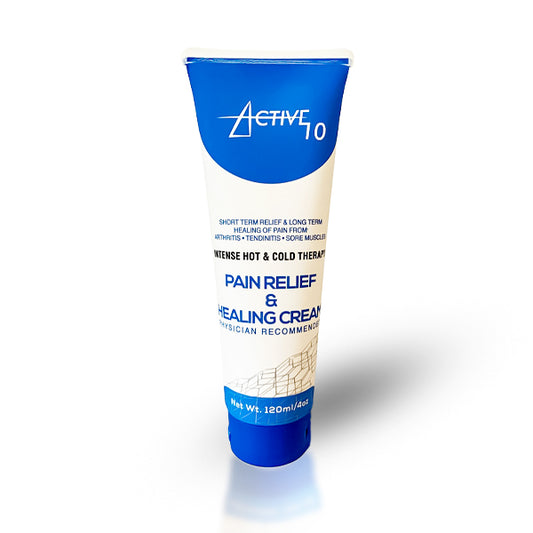
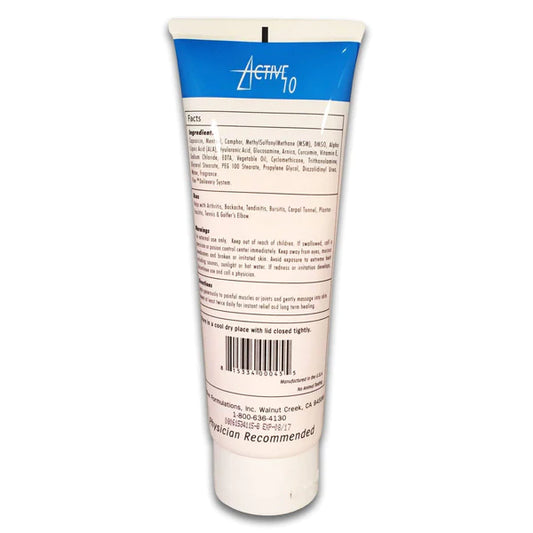
4 oz tube: the one most people start with, and it fits in a ski bag.
-
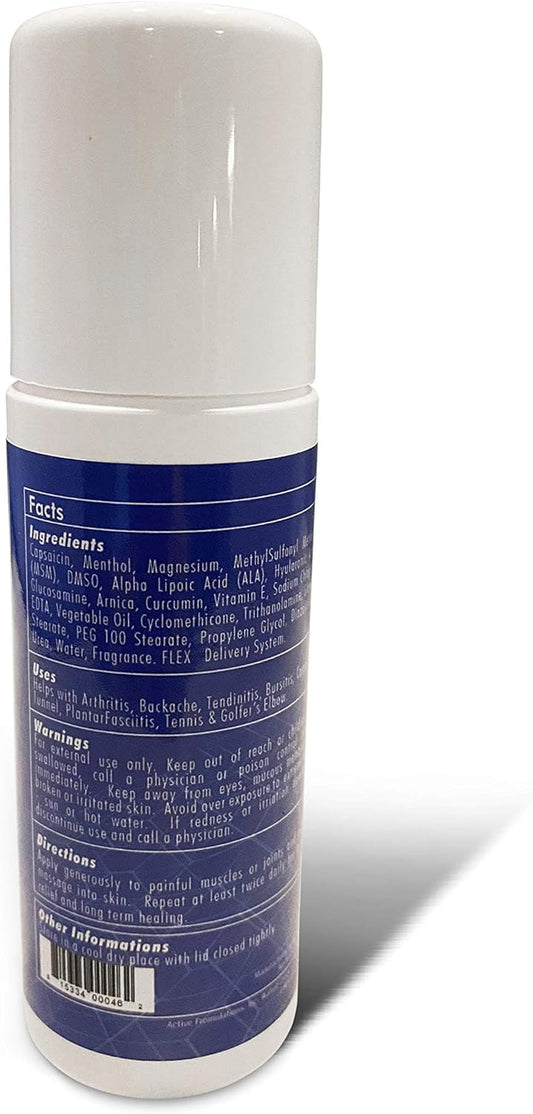
3 oz roll-on: easy to reach your own lower back, with no cream on your hands.
-
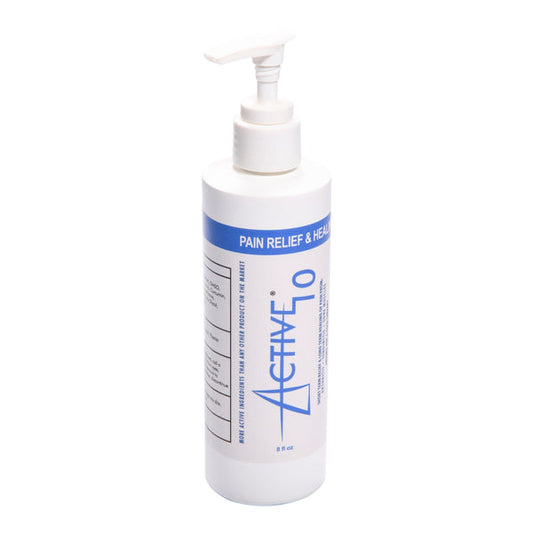
8 oz pump: the best value for a family ski trip.
FAQ
Before or after skiing? Most people use it after, once they're warm and dry. Follow the Drug Facts directions on the label, and wash your hands after applying.
Can I use it with a heating pad or in the hot tub? Don't use it with a heating pad, and don't bandage tightly over it. Rinse it off before the hot tub.
Can I fly with it? The 3 oz roll-on fits the carry-on liquids limit. The 4 oz tube and 8 oz pump go in your checked bag.
Does shipping cost extra? Orders of $30 or more ship free in the US.
Get 3 tubes for $28 (code INSTA3)
More tips
Warnings: For external use only. Do not use on wounds or damaged or irritated skin, do not bandage tightly, and do not use with a heating pad. Avoid contact with the eyes. Stop use and ask a doctor if the condition worsens or symptoms last more than 7 days. Keep out of reach of children. This page is general information, not medical advice.